
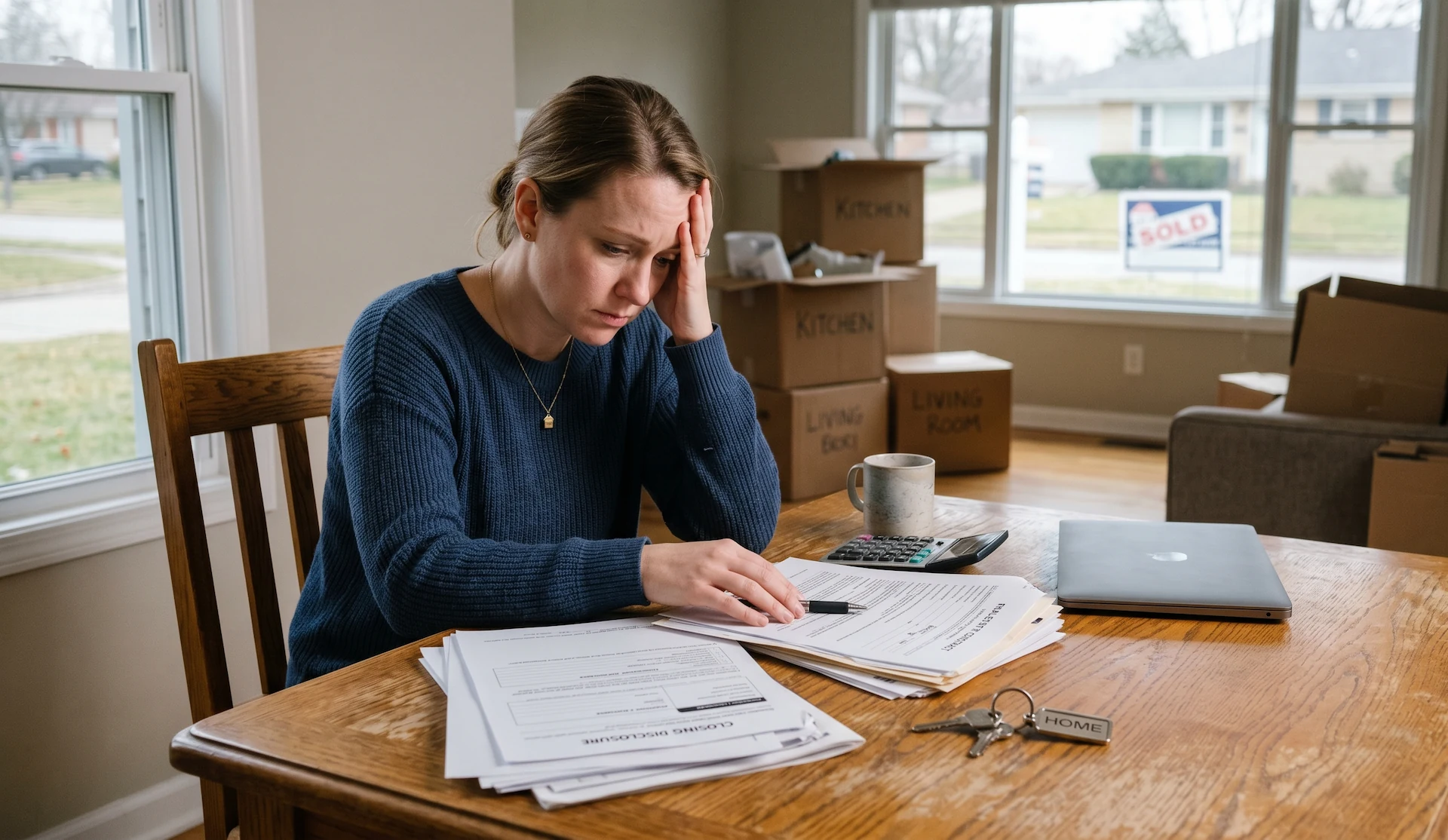

Question: What Causes Real Estate Buyer’s Remorse?
Answer: Causes of real estate buyer’s remorse is often triggered by the massive financial commitment, discovering unexpected property issues or maintenance costs, feeling rushed into a decision, or fearing you overpaid. The reality of the commitment can feel overwhelming once the initial excitement of the purchase wears off.
The Roots of Post-Purchase Regret in Real Estate
You did it. After weeks, or perhaps months, of searching, you found a property, won the offer, and signed the paperwork. The keys are in your hand. This moment should feel like a pure victory, the culmination of a significant life goal. Yet, for many new homeowners, a surprising and unsettling feeling creeps in alongside the excitement: a deep sense of doubt or even regret. This feeling is incredibly common, and it has a name: buyer’s remorse.
So, what causes real estate buyer’s remorse? It is not a single issue but a convergence of financial, emotional, and practical pressures that can make you question one of the biggest decisions of your life. This post-purchase anxiety can surface hours, days, or even weeks after you close the deal. It stems from the sheer scale of the commitment and the often-frenzied pace of the home buying journey.
Understanding the triggers behind this phenomenon is the first step toward preventing it or managing it effectively if it arises. By exploring the common causes, from financial surprises to emotional fatigue, you can approach your property purchase with greater awareness and confidence. This knowledge helps you prepare for the psychological side of homeownership, ensuring your new house truly feels like a home.
The Financial Pressure of a Major Purchase
The most common source of home buyer anxiety is, unsurprisingly, money. A property is likely the most expensive asset you will ever purchase. The weight of that financial obligation alone can be immense. Even if you carefully budgeted, seeing that huge number on a mortgage agreement can trigger a wave of panic. You might start second-guessing whether you can truly afford the monthly payments for the next two or three decades.
What causes real estate buyer’s remorse often goes beyond the mortgage itself. Many first-time buyers underestimate the full spectrum of costs involved. Closing costs, which include legal fees, title insurance, and land transfer taxes, can add thousands of dollars to your initial outlay. These expenses come due in a lump sum, which can create immediate financial strain if not properly anticipated in your budget.
The financial surprises do not stop on closing day. The first few months of homeownership often bring a new set of expenses. Property taxes may be higher than you projected, and utility bills in a larger space can be a shock. You may also face immediate repair or maintenance needs that were not apparent during viewings. This steady stream of unexpected costs can make you feel financially overwhelmed, leading directly to feelings of regret about your purchase.
Click here to read more about local Orangeville realtors.
Related Article: How Does Decision Fatigue Affect Homebuyers?
Related Article: How Do Deadline Pressures Alter Real Estate Negotiations?
Uncovering Unexpected Property Flaws
Nothing sours the excitement of a new home faster than discovering a significant, unexpected problem. You move in, dreaming of decorating the living room, only to find a leak under the kitchen sink or notice the furnace makes a worrying noise. While a home inspection can identify many potential issues, it is not infallible. Some problems are hidden or intermittent and may not appear during the inspection window.
The risk of discovering flaws increases dramatically if you waived the home inspection condition to win a bidding war. While this can be a tempting strategy in a fast-moving market, it exposes you to substantial financial and emotional risk. Finding out your new home needs a new roof or has hidden water damage can turn your dream into a nightmare. The cost of these major repairs can be crippling, especially after depleting your savings for the down payment and closing costs.
This situation directly contributes to what causes real estate buyer’s remorse because it transforms an asset into a liability overnight. Instead of building equity and enjoying your space, you are facing a mountain of stress and unplanned expenses. The feeling of being “stuck” with a problem property is a powerful driver of regret and can taint your entire experience of homeownership from the very beginning.
When the Neighbourhood Doesn’t Feel Like Home
When you buy a house, you are also buying into a neighbourhood. The property itself can be perfect, but if the surrounding community is not a good fit, you will never feel truly settled. Unfortunately, many buyers focus so intently on the four walls of the house that they neglect to perform proper due diligence on the area. This oversight is a frequent cause of dissatisfaction after the move.
A mismatch can manifest in many ways. You might discover that your new commute is far more stressful than you imagined. The neighbours could be louder or less friendly than you had hoped. Perhaps the “walkable” neighbourhood you envisioned requires a car for every errand, or the local parks are not well-maintained. These small daily frustrations can accumulate over time, leading to a persistent feeling that you have made a mistake.
To avoid this, it is vital to experience the neighbourhood as a resident would before you commit. Visit at different times of the day and on different days of the week. Drive the commute during rush hour. Walk through the community in the evening. Talk to people you see on the street. A property’s location is the one thing you can never change, so ensuring it aligns with your lifestyle is critical to long-term happiness.
The “What If” Factor: Comparing and Second-Guessing
Human psychology plays a significant role in what causes real estate buyer’s remorse. Even when a purchase is sound, it is natural to second-guess a decision of this magnitude. This is often fuelled by the “fear of a better option.” After your deal is firm, you might be tempted to keep browsing online listings. This is a dangerous habit that can quickly lead to regret.
Inevitably, you will see another property listed that seems better or is priced lower. You might think, “If only I had waited another week, I could have bought that house instead!” This line of thinking creates a fictional, idealized alternative and unfairly compares it to your actual home, with all its real-world imperfections. It minimizes the positive attributes of your property and magnifies its flaws, creating a cycle of dissatisfaction.
This endless comparison can prevent you from ever fully embracing your new home. Instead of focusing on its potential and the reasons you chose it, you remain mentally stuck in the house-hunting phase. It is important to remember that every property has its own unique set of compromises. The “perfect” house you see online likely has hidden issues of its own. Recognizing this pattern of second-guessing is key to breaking free from it.
How to Proactively Prevent Buyer’s Remorse
While buyer’s remorse can be a powerful feeling, it is not inevitable. With careful preparation and a methodical approach, you can significantly reduce the chances of experiencing post-purchase regret. The key is to replace emotional, reactive decisions with logical, proactive ones. Building a solid foundation of research and financial planning gives you the confidence to stand by your choice.
Here are several practical steps you can take to protect yourself from what causes real estate buyer’s remorse:
-
Define Your Priorities
Before you even start looking at listings, create a detailed list of your absolute needs versus your wants. This list becomes your guide, helping you stay focused on what truly matters and preventing you from getting distracted by superficial features.
-
Secure Financial Pre-Approval
A mortgage pre-approval gives you a clear and realistic budget. Knowing exactly what you can afford prevents you from overextending yourself financially. Plan to stay comfortably within your approved limit, not at its absolute ceiling, to leave a buffer for unexpected costs.
-
Include Essential Conditions
Your offer to purchase should always include conditions for financing and a home inspection. These clauses are your safety net. They give you a legal way to back out of the deal if your financing falls through or if the inspection reveals major problems you are not prepared to handle.
-
Research the Community
Spend significant time in any neighbourhood you are seriously considering. Drive, walk, and visit at various times to get a true sense of its character, noise levels, and convenience. This research ensures the location truly fits your lifestyle.
By following these steps, you build a purchase decision based on facts, not just feelings. This empowers you to move forward with clarity and reduces the likelihood of second thoughts after closing.
Moving Past Regret and Embracing Your New Home
If you are currently experiencing buyer’s remorse, take a deep breath and remember that this feeling is normal and often temporary. The stress and scale of the home buying process can cast a shadow over what should be a happy time. The first step to moving past it is to acknowledge your feelings without judgment. Do not blame yourself for having doubts; instead, focus on actionable steps to reconnect with your decision.
Revisit the reasons you chose this specific property. Look back at your original list of needs and wants. Chances are, this home checked most of the important boxes. Remind yourself of the features you fell in love with, whether it was the natural light in the kitchen or the quiet street. Shifting your focus from the perceived negatives to the confirmed positives can help reframe your perspective and reduce feelings of anxiety.
Finally, start making the house your own. Unpack your belongings, hang photos on the walls, and paint a room your favourite colour. The act of personalizing a space fosters a sense of ownership and connection. As you create new, positive memories within its walls, the property will slowly transform from a source of stress into a cherished home.